“Our doulas have brought a special and engaging dimension to our maternal and fetal health unit. As each day passes, it gets harder to remember what care looked like before their arrival.”
— Dr. Roger Kierce, chair, Department of Obstetrics and Gynecology, St. Joseph’s Health
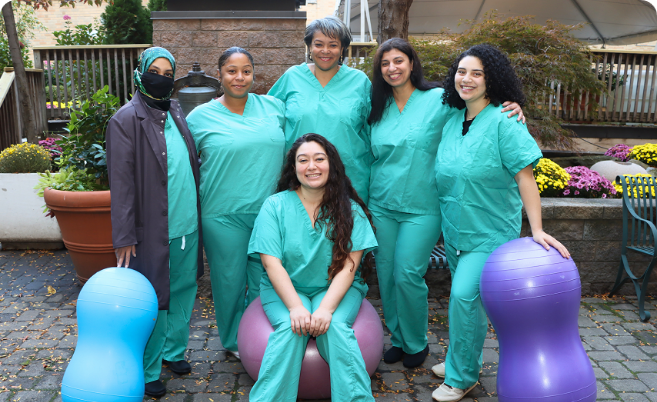
The team-based doula pilot at St. Joseph’s University Medical Center in Paterson, NJ, assesses the viability of creating a pathway to sustainable careers by integrating doulas into the hospital’s maternity care team.
The hospital hired six full-time doulas, with employee benefits, from the local community. Rather than being on 24-hour call for a set caseload of clients, these doulas follow the same shifts as doctors, nurses, and midwives — working 40 hours a week and supporting patients in need of doula care on site. This more balanced schedule, along with normalizing their role in healthcare settings, is intended to minimize burnout among doulas and reduce attrition by providing greater economic security, offering a healthier work-life balance, and fostering collaboration with clinical staff.
Doulas on the staffs of other hospitals typically serve only private-pay clients and limit their services to attending births and one postpartum visit.
At St. Joseph’s, the doulas support mothers regardless of insurance status during pregnancy — including attending CenteringPregnancy group prenatal care sessions — labor and delivery, and postpartum rounds.
As part of the pilot, the Center for Innovation at St. Joseph’s Health facilitates conversations with doulas and other hospital staff to discuss challenges, brainstorm ideas, and test solutions to improve team dynamics and the patient care experience.
This initiative is supported by the Burke Foundation, Bristol Myers Squibb Foundation, Quest Diagnostics Foundation, and St. Joseph’s University Medical Center.
The value of doulas
Evidence shows that doulas play a critical role in helping to reduce maternal and infant health disparities and improving quality of care — lowering the risk of serious birth complications by half for mothers and babies
Too often, though, health systems don’t recognize, respect, or value doulas’ contributions as essential members of the care team. Doulas can experience elevated levels of burnout and sometimes leave the profession after fewer than three years due to insufficient wages, often coupled with the need to hold other part-time work to make ends meet.

77% of doulas report feeling unwelcome and disrespected in hospital settings.
Doulas frequently site acute client needs and persistently low wages as top reasons for leaving the profession.
The Burke Foundation is confident the pilot will improve maternal health outcomes by reducing burnout and increasing retention by ensuring doulas get the respect, recognition, and financial security afforded to other healthcare providers. This transformation in care delivery can serve as a model of equitable perinatal support across New Jersey and beyond.
Next steps
After the pilot concludes, the Center for Innovation will produce a “playbook” capturing lessons learned and feedback from doulas, patients, and clinicians. This resource will support hospitals and health systems interested in replicating this innovative workforce model and integrating full-time doulas into their maternity care teams.
“Birth is more than just making babies; it is also about forming the family unit.“
— Jacquelyn Thompson, BA, certified doula