
“One of the most hopeful times in anyone’s life is the arrival of a new baby.”
— Dr. Craig Garfield, practicing pediatrician, Lurie Children’s Hospital; professor at Northwestern University
The Pregnancy Risk Assessment Monitoring System (PRAMS) for Partners (often called PRAMS for Dads) is a public health surveying initiative designed to promote young children’s development by collecting data on the experiences of expectant and new fathers and partners. Drawing from successfully implemented fatherhood surveys in other states, the New Jersey Fatherhood Survey (NJFS) focuses on the health and behaviors of fathers and non-birthing parents before, during, and after pregnancy.
For over 35 years, PRAMS collected data on maternal attitudes and experiences during this period from surveying a sample of mothers identified through birth certificates. Until recently, no comparable public health surveying system existed for fathers.
The New Jersey survey is gathering insight on such areas as fathers’ involvement in prenatal care, support during childbirth, and engagement in such postpartum parenting activities as breastfeeding and safe sleep practices. NJFS offers the state an evidence-backed method to monitor the health and well-being of fathers and partners to identify areas where they might need additional support, with the goal of fostering positive parenting practices and better family health and well-being.
Involvement from fathers is associated with early prenatal care access and better maternal psychological well-being. Paternal involvement is also linked to such benefits for children as improved socio-emotional development, secure attachment, and increased academic success.
Notable insights from the original PRAMS for Dads pilot in Georgia included:
99% of fathers placed their infants to sleep, but only 16% practiced all CDC-recommended safe sleep practices.
10.2% of fathers reported depressive symptoms since their infant’s birth.
Infants were more likely to breastfeed at eight weeks if their father was supportive of breastfeeding.
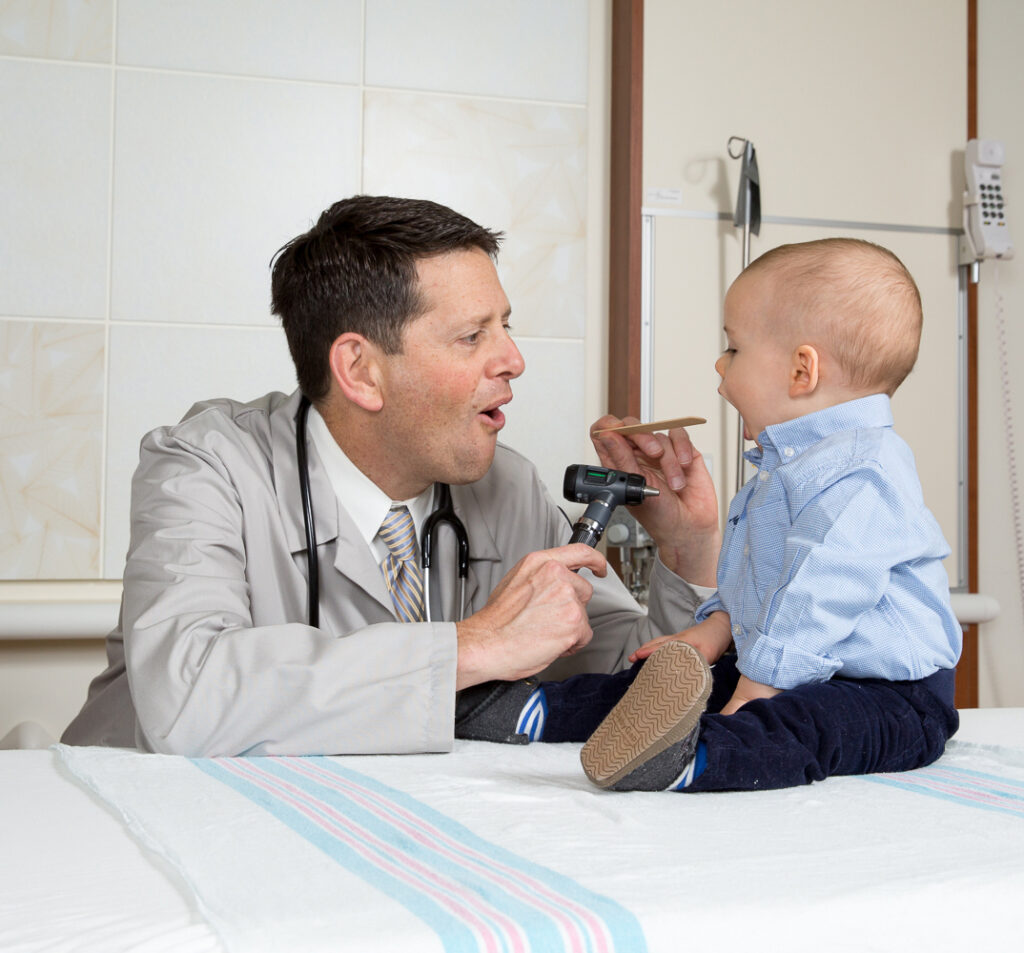
This project is led by Craig Garfield, MD and his team at the Ann & Robert H. Lurie Children’s Hospital of Chicago. Dr. Garfield designed the first fatherhood survey pilot in Georgia and partnered with state officials to introduce it in Massachusetts, Michigan, North Dakota, and Ohio. The Burke Foundation is supporting the initial phase of work in New Jersey through funding and community partnership efforts. The state Department of Health is providing thought partnership and will assume oversight of NJFS implementation in 2025.
To ensure the NJFS reflects local context, a working group of fathers and a range of those who serve fathers in New Jersey — such as advocates, providers of family-and fatherhood-focused programming, state officials, and researchers — informed survey questions, a strategic outreach plan to encourage dads to complete the survey, and a reporting and dissemination plan so the data are digestible and action-oriented.