
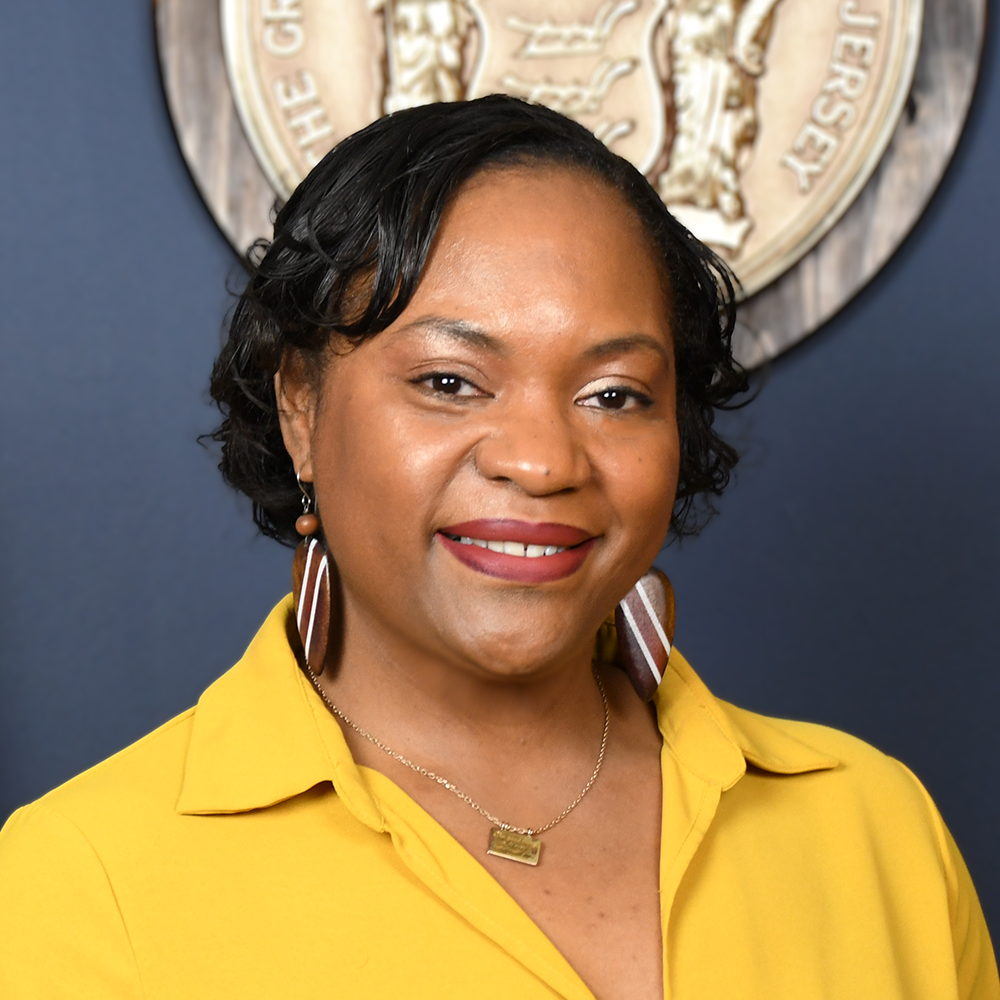
Interview with Brandie
At the state’s new universal postpartum home-visitation initiative, Brandie Wooding is in the forefront of New Jersey’s support for families in the earliest days after birth. A nurse with 20 years’ experience in clinical care, academia, and public health, Brandie leads implementation of a groundbreaking model for making sure every family has access to a nurse home visit, no matter their background or circumstances.
What’s the core mission of your organization, and how do you carry it out?
Family Connects NJ falls under the Department of Children and Families, in the Office of Early Childhood Services. The mission of that office is supporting families and children from birth to age 5. That’s where the other evidence-based home-visitation programs are housed, so Family Connects fits nicely there.
The core mission of the Department of Children and Families is to make sure families are safe, healthy, and connected. Family Connects NJ does just that. It’s a touchpoint during the vulnerable postpartum period, when new moms, babies, and families may experience health or other challenges that can be identified or intercepted before they become critical. The visit assesses safety and identifies areas that might affect the health of the new family.
Family Connects also screens families. If needs are identified, nurses make sure they’re connected to vital, relevant resources. We’re fortunate to have a wonderful community alignment specialist team that ensures nurses have updated community-based resources when they go into homes. When you think about the visit, it’s helping families stay safe, healthy, and connected — and that’s how the program fits into the mission of the department.
What accomplishment are you most proud of?
I’m most proud of my individual Universal Home Visitation DCF team, and our Family Connects NJ teams. Their passion and dedication are unmatched. They really love being that connection point, interacting with families, and being part of something mission- and vision-driven brings them joy and perspective.
There has been so much blood, sweat, and tears invested not only in implementing the program but in building its infrastructure. We’ve mirrored our internal team to reflect the teams out in the field doing the work.
Each year we’re reaching more families. We hit our 7,000th visit in October, and we’re looking forward to hitting the 8,000th. And they’re not just visits — they’re families whose lives we’re affecting, supporting, providing reassurance and guidance. It’s about being there for those 7,000 plus families.
There’s been so much growth since launch. We started with a team of about 20; now we’re over 100. Our nursing teams have grown, we’ve added more program support specialists, more local medical directors, more community alignment specialists, and our internal team has grown too. It’s a beautiful thing to look at how far we’ve come, how robust our teams are, and how the program has taken shape.
What do you see as the biggest challenge facing families in the first 1,000 days?
First, it’s helping new families adjust to their new normal and making sure they don’t fall through the cracks. When a new baby enters a family, everything changes. Whether it’s your first baby or your fifth, your dynamic shifts. Your world can feel flipped upside down.
Sometimes families have support, sometimes they don’t, and sometimes they don’t know what they need. Families need an advocate. They need someone to help them find their voice. They need reassurance that if something doesn’t feel right, they should speak up. Sometimes they just need empowerment.
Beyond health challenges, it’s helping families understand what’s normal versus what’s not, and helping them stay connected, postpartum. When you’re adjusting to life with a new infant, you can put things on the back burner — delaying appointments, delaying follow-ups — because you’re so laser-focused on the baby. You can ignore things that shouldn’t be ignored. Those are some of the challenges in the first 1,000 days: adjusting, finding your rhythm, figuring out what’s normal and what needs attention.
What’s the secret to a great partnership?
Understanding that no one person has all the answers. It’s about learning from those around you and knowing you can learn something new from anyone — regardless of education or background. I learn so much from my team and from the Family Connects NJ teams.
Being open to different perspectives allows for creativity and growth. Some of the policies I’ve drafted and protocols I’ve put in place were suggested by the teams on the ground, from their lens. Relying on the strengths, expertise, and experiences of others is essential to building the program.
It also promotes trust and collaboration when people see that their feedback leads to real change. I can say, “Remember when you suggested this? I was able to put it into motion.” You don’t do this work alone or in a silo. We all have different strengths and backgrounds, and that makes partnerships stronger. Even as a program director, I don’t know everything — and I never will. I’m constantly learning and open to learning. That’s what makes our partnerships so strong.
What gives you hope for families?
The strong focus and emphasis on maternal and newborn health gives me hope. I’ve worked in hospitals for most of my career, always in maternal child health, and for a long time the focus was never on maternal child health. It was on hospital-acquired infections, UTIs, ventilator-assisted pneumonia. As a younger nurse, I wondered, “Why are we doing so many C-sections? What’s going on?” But maternal/child health wasn’t the focus.
Now there’s real emphasis on maternal/child health, and that gives me hope because more families are being informed and learning to advocate for themselves. Maternal/child health is finally getting the spotlight it needed for so long. I’m thankful people are investing in programs that support this, because it’s important for a healthy start and a strong foundation for lifelong health and wellness.