“Our doulas have brought a special and engaging dimension to our maternal and fetal health unit. As each day passes, it gets harder to remember what care looked like before their arrival.”
— Dr. Roger Kierce, OB-GYN chair, St. Joseph’s University Medical Center, Paterson, NJ
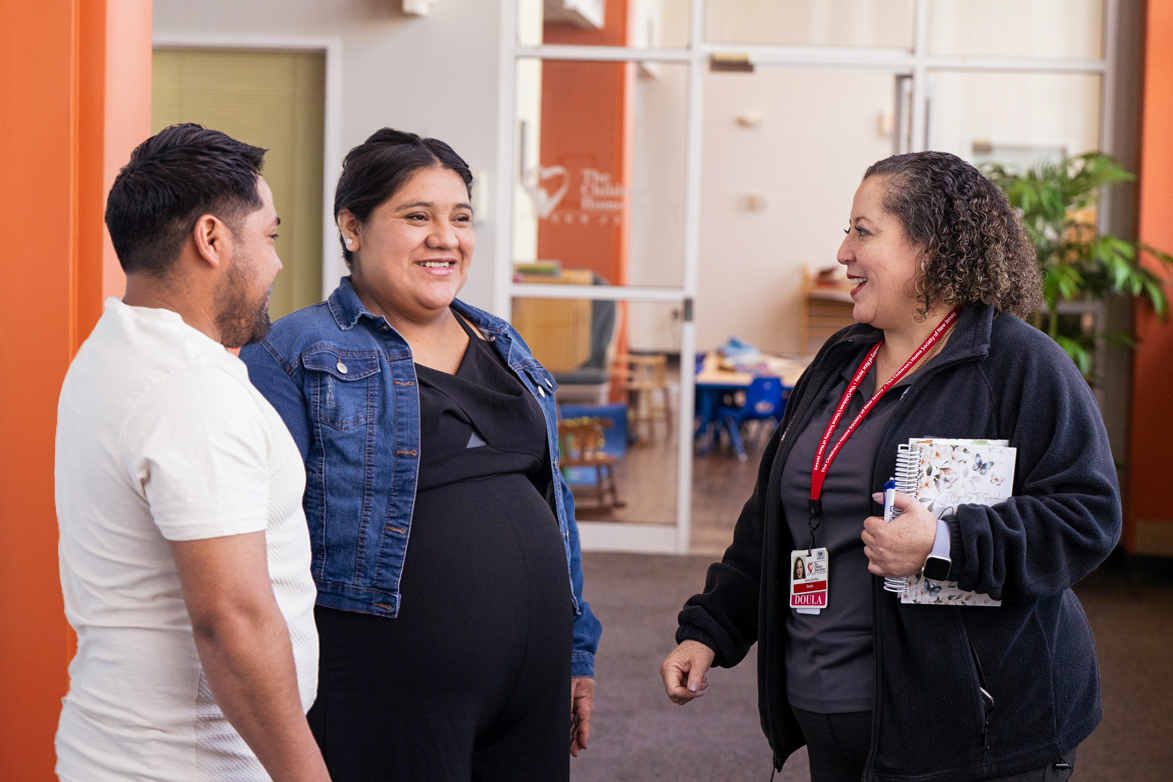
To address New Jersey’s persistent maternal and infant health disparities, the Burke Foundation supports community doulas, who complement medical care by providing emotional, physical, and social support throughout pregnancy, childbirth, and the postpartum period. They are highly-competent, passionate caregivers who help clients navigate language and cultural barriers, connect with such essential resources as food and transportation, build trust with providers, and empower mothers to advocate for themselves and their babies.
Though they are not clinicians, community doulas provide culturally responsive support to families facing racial, ethnic, and geographic inequities in maternity care.
Today, New Jersey can serve only a fraction of the 30,000 Medicaid-enrolled women who give birth here each year. With nearly two-thirds of pregnancy-related deaths being preventable, a larger community doula workforce is critical to improving maternal and infant health, especially in communities of color.
The Burke Foundation supports several grantee programs in partnership with community doulas whose lived experience and insights inform efforts to increase the number of community doulas in our state.
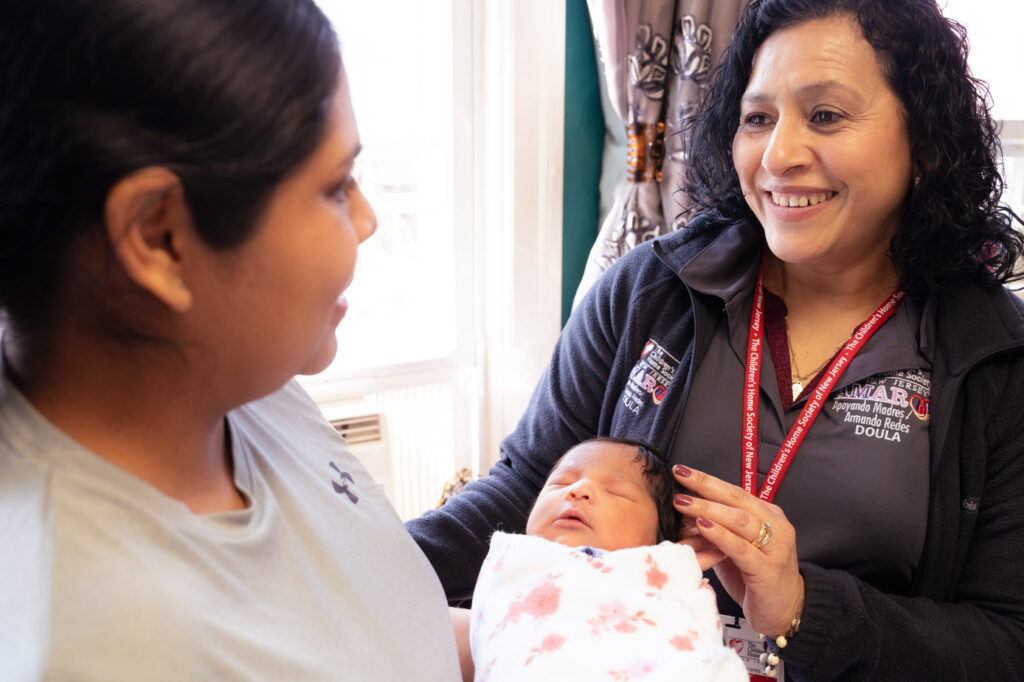
The Children’s Home Society of New Jersey runs one of New Jersey’s first community doula programs for Spanish-speaking women. Launched as a pilot program with Burke Foundation support, AMAR, which stands for Apoyando Madres/Armando Redes (Supporting Mothers/Creating Networks), has had measurable success and received state and federal funding for expansion. Burke committed $500,000 to help scale community doula services across Trenton to reach 50% of pregnant residents of all backgrounds.
The AMAR Community Doula program follows a model developed by HealthConnect One, a national leader in promoting equitable, community-based peer support for pregnancy, birth, breastfeeding, and early parenting.
The program’s impressive results underscore the difference community doulas can make in communities of color, including:
65% fewer preterm births
87% fewer low birthweight babies
64% of moms exclusively breastfeeding at 3 months
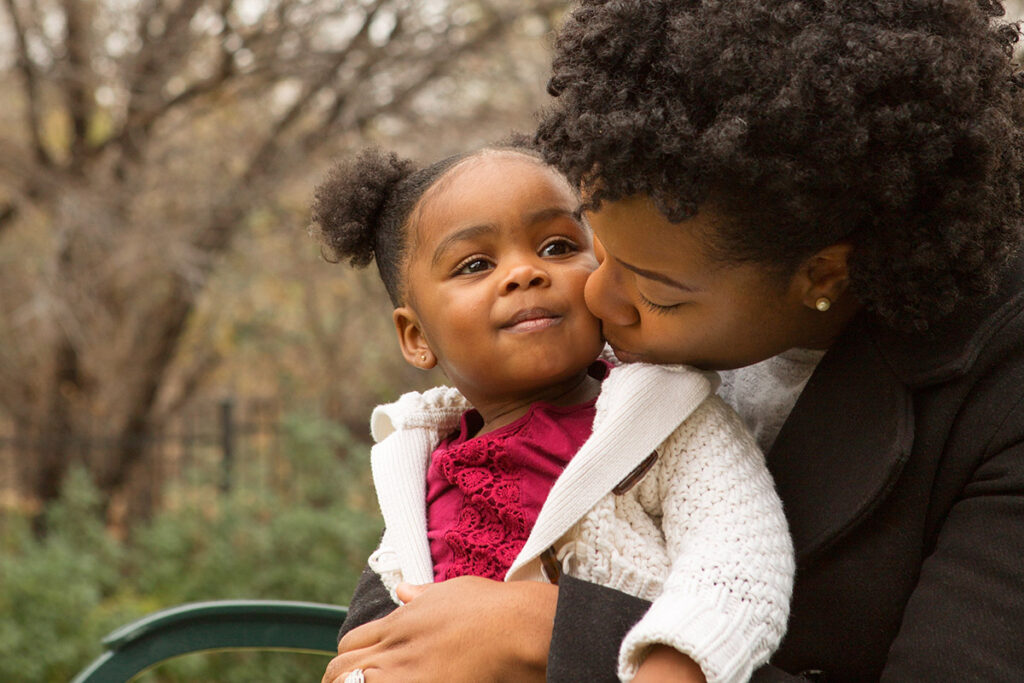
South Ward Healthy Beginnings, a program of the nonprofit South Ward Promise Neighborhood in Newark, NJ, is creating a career pathway for community doulas by providing certification in a new multidisciplinary credential called the Community Perinatal Health Associate (CPHA).
The CPHA curriculum is an enhanced doula training that includes such community health worker components as enhanced instruction on lactation, childbirth education, and public health concepts. The goal is to increase the number of maternity care providers and other perinatal health workers who offer culturally congruent support to women and build patient/provider trust.
Trainees receive virtual instruction and in-person experiential learning at Newark Beth Israel, University Hospital in Newark, and clinics in the city. The program graduated its inaugural group of CPHA-credentialed doulas in January 2025.
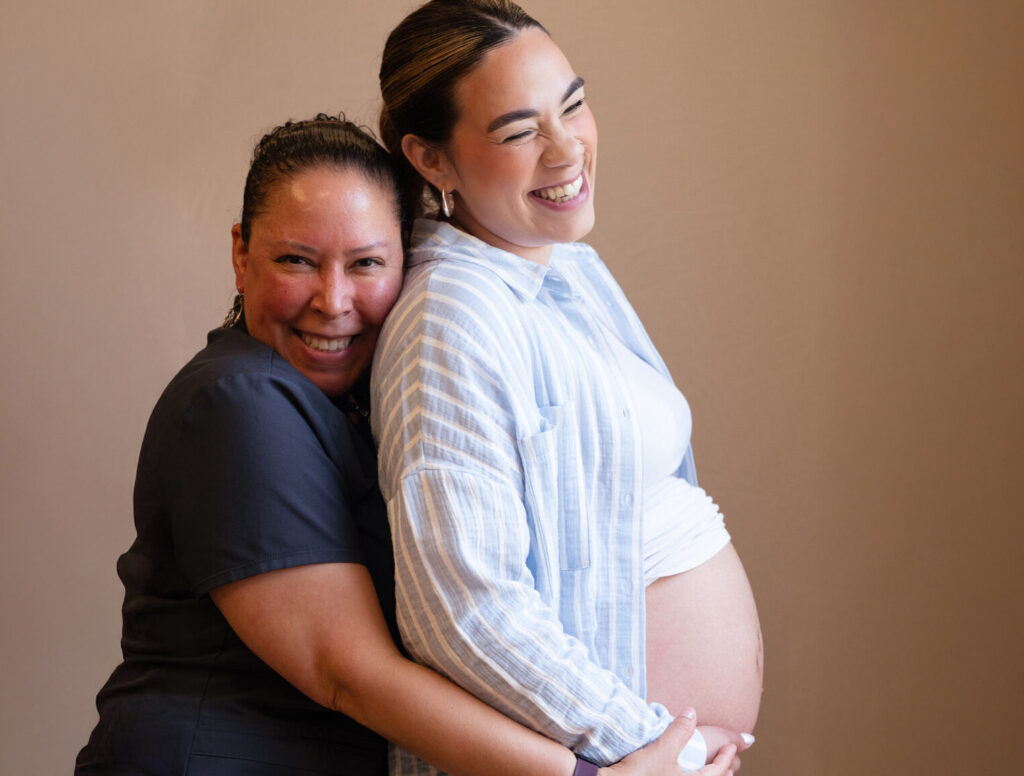
Based on challenges facing the field today — Medicaid billing, burnout and turnover, unwelcoming hospital staff, and lack of full-time opportunities with benefits — Burke is committed to supporting systems-level projects examining the feasibility of business supports for independent doulas.
To that end, Civitas Strategies — a national organization supporting such smaller and lower-visibility businesses as child care providers and doulas — is working to strengthen doula business training by providing tailored resources, business coaching, technical assistance, and evaluation services to support doula businesses in New Jersey.
In partnership with a community doula advisory group, Civitas is creating a digital platform for community doulas with business tools as well as technical assistance and coaching.
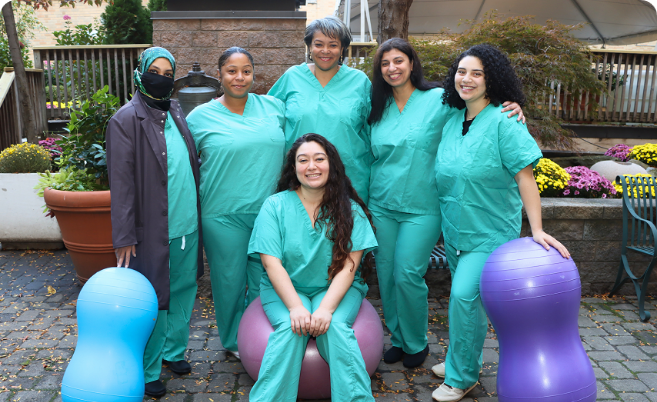
St. Joseph’s University Medical Center in Paterson added six doulas from the local community to its maternity care team as full-time employees with benefits to support thriving and sustainable doula careers and improve maternal health in the greater Paterson region.
The doulas follow the same schedules as doctors, nurses, and midwives — working 40 hours per week and supporting patients during their shifts. This balanced schedule provides doulas with economic security, promotes retention, and minimizes burnout by fostering healthy work-life balance, all while integrating doulas as valued members of the care team.
This pilot differs from other hospitals with doulas on staff who typically serve private-pay clients and limit services to attending the birth and one postpartum visit. At St. Joseph’s, doulas support a higher-need population and offer care across the continuum: prenatal, labor and delivery, and postpartum.
Early results are promising for mothers who deliver at St. Joseph’s and are supported by hospital doula versus those who aren’t, including:
Postpartum check-up attendance was 45% higher
64% fewer low-risk C-sections
The Paterson Doula Cooperative
Burke joined Turrell Fund and The Henry & Marilyn Taub Foundation to launch a community doula pilot in Paterson, where the Partnership for Maternal Child Health of Northern New Jersey leads free community doula trainings, following the HealthConnect One model.
Burke supports training, direct services, and building capacity by co-funding these place-based pilots.